Media Truck vs Mobile LED Truck: A Practical Guide for Agencies, Event Planners and Brand Advertisers
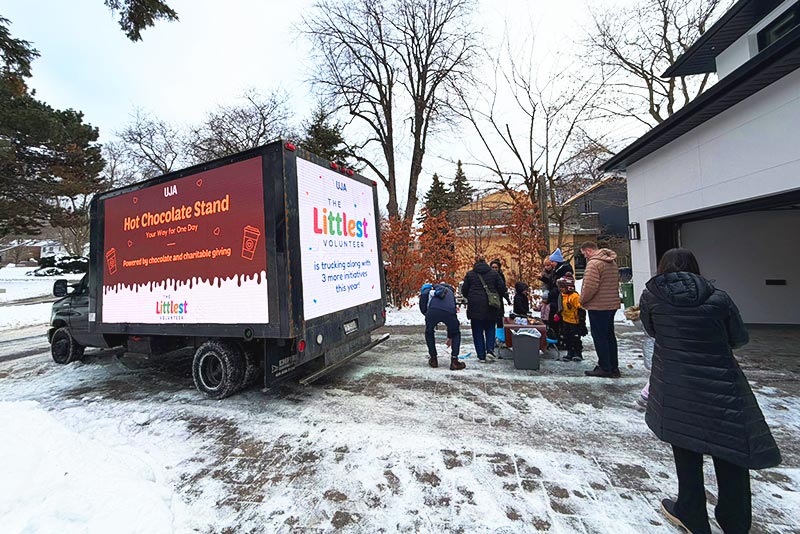
Urban outdoor advertising has transformed significantly as brands look for smarter and more flexible ways to engage audiences across busy urban environments. Static billboards continue to exist within the outdoor advertising ecosystem, but advertisers are increasingly drawn to solutions that integrate movement, digital display technology and strategic positioning. This change has made the mobile LED truck, Digital Media Truck, and various vehicle-based advertising solutions essential tools for today’s marketing campaigns. These vehicles enable brands to present high-impact visuals across locations with heavy pedestrian activity, business districts, entertainment zones and event venues. For agencies, event organisers, and brand advertisers, understanding the differences between a Media Truck, LED billboard truck, and other mobile formats helps define the most appropriate approach for maximising engagement and campaign results.
Understanding the Role of a Media Truck
A Media Truck is a dedicated advertising vehicle equipped with digital display screens that present promotional content while moving through strategic routes. Unlike traditional billboards placed in fixed positions, a media truck circulates across carefully targeted urban zones where audience concentration is strongest. This mobility allows advertisers to position their messaging in front of prospective audiences in busy commercial districts, residential neighbourhoods, entertainment zones, and major public gatherings.
Campaigns using media trucks are often designed with detailed route strategies that maximise brand visibility during different times of the day. For instance, a campaign may start in a financial district during morning commute periods, shift to shopping districts later in the day, and finish near entertainment districts in the evening. Such route strategy ensures that brand messaging reaches multiple audience segments throughout the active advertising schedule.
Another advantage of Media Truck Advertising is its strong ability to capture attention in a competitive advertising environment. A moving digital screen naturally stands out among static advertisements. When paired with high-quality visuals and motion graphics, the final effect is a highly impactful outdoor advertising solution that promotes immediate viewer interaction.
What Makes a Mobile LED Truck Different
A mobile LED truck is generally considered a more advanced form of the conventional media truck. While each format uses screens installed on vehicles, mobile LED trucks usually include commercial-grade LED display panels capable of presenting full-motion video with outstanding brightness and clarity. These screens are engineered for visibility even under strong daylight, ensuring that advertising content remains sharp and impactful at various times throughout the day.
The technology powering an LED media truck enables advertisers to operate dynamic creative campaigns that rotate multiple advertisements within a single route schedule. For agencies responsible for several brands, this content rotation capability is extremely beneficial. The same truck can showcase multiple advertisements at predetermined intervals, which improves campaign efficiency and cost management.
A further advantage of a mobile LED truck is its ability to display cinematic-quality visuals. High-resolution LED panels allow smooth video playback, animated promotional content and visually immersive storytelling. This format is especially effective for product launches, entertainment campaigns and major public events where strong visual presence is essential in capturing audience attention.
Technology Powering a Digital Media Truck
A Digital Media Truck combines advanced display technology with route-based advertising strategies. Such vehicles feature high-performance LED displays, onboard power systems and digital control interfaces that allow operators to modify campaign content efficiently. The adaptability provided by digital media trucks allows advertisers to adapt their messaging in response to campaign performance, seasonal promotions, or live event schedules.
A large number of digital media truck campaigns use automated scheduling systems that control when particular advertisements appear on the screen. This scheduling capability allows brands to deliver targeted messaging at the most appropriate times. For instance, a restaurant promotion might run during lunchtime hours, while entertainment campaigns may run during evening traffic periods.
An additional advantage is real-time campaign monitoring. Many modern media trucks use tracking systems that log route movements, stops and exposure locations. These insights allow marketing teams to measure the performance of Mobile Billboard Advertising campaigns and demonstrate measurable reach to clients. For advertisers seeking performance insights, this level of transparency makes digital media trucks a Mobile Billboard Rental valuable marketing asset.
Media Van Advertising for Hyper-Local Campaigns
While large LED trucks dominate high-traffic urban campaigns, the Media Van continues to play an important role in localised marketing initiatives. Media vans are compact advertising vehicles that perform effectively across residential streets, suburban areas and small retail zones where larger advertising trucks may be impractical.
The compact nature of a media van allows it to access locations that may be inaccessible to larger advertising vehicles. This operational flexibility makes media vans especially useful for local promotions, retail announcements and neighbourhood brand campaigns. Businesses targeting specific neighbourhood audiences often depend on media vans to strengthen neighbourhood presence.
While media vans usually include smaller display screens compared with full-size LED trucks, they still deliver high visibility through movement and targeted placement. By travelling through residential areas, shopping districts, and event venues, media vans ensure that advertising messages reach audiences in locations where they live, shop and socialise.
Final Thoughts
Mobile outdoor advertising has become a central element of today’s outdoor marketing strategies. With cities becoming denser and static advertising spaces becoming limited, advertisers increasingly adopt mobile advertising solutions that combine digital technology with strategic movement. Formats including the media truck, Mobile LED Truck, digital media truck, and media van deliver adaptable and visually impactful ways to engage audiences across varied urban environments.
By choosing the most suitable format based on campaign goals, agencies and advertisers can maximise visibility, strengthen audience interaction, and deliver memorable brand experiences. Whether used for neighbourhood promotions, major events, or large-scale urban campaigns, mobile billboard solutions continue to reshape how brands connect with audiences in the modern outdoor advertising environment.